What Are Hammer Blades and How Do They Work in Mowing Equipment
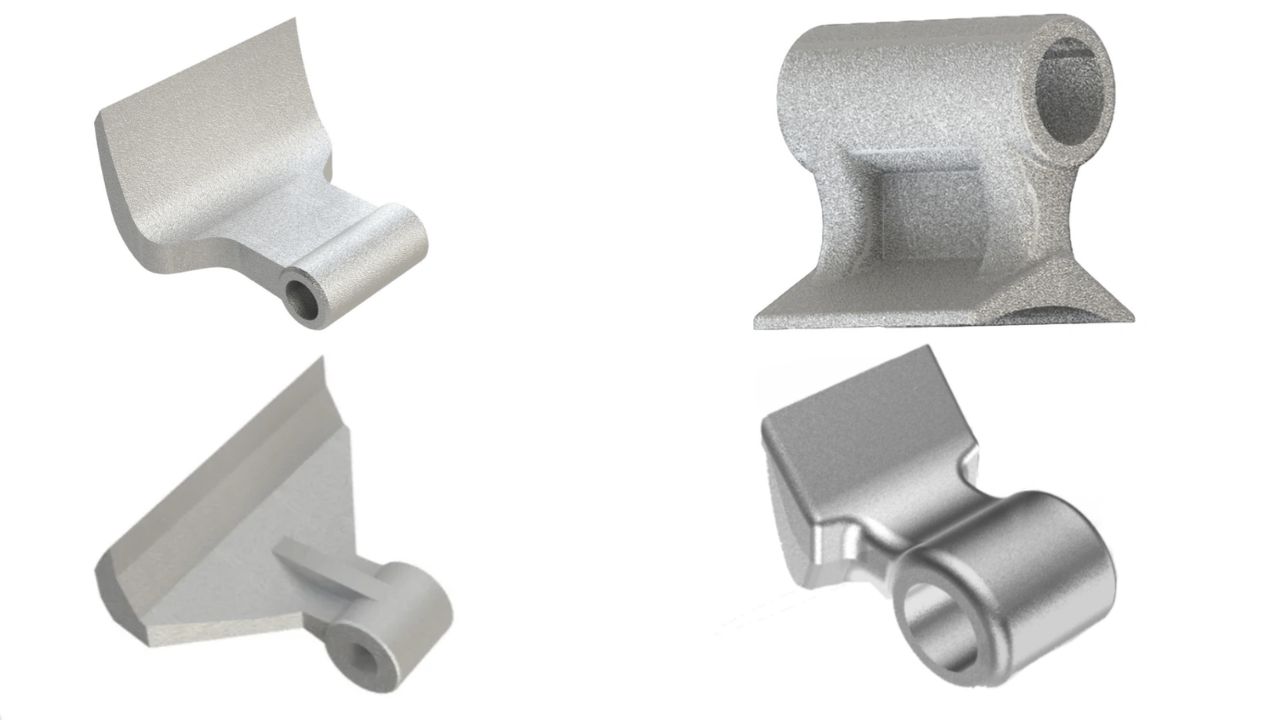
A hammer blade is basically a cutting component in mowing equipment that is meant to cut through grass, brush, and woody materials. This is intended for situations where regular blades would not perform effectively in thick, rough vegetation. The hammer blade shatters through impact rather than cutting through vegetation. Their simple working method makes them suitable for rough conditions where vegetation varies in thickness and strength. In many field setups, equipment systems supplied by JYF Machinery are paired with hammer blades to support steady cutting in different environments.
Basic Working Idea
Hammer blades work through force rather than precision cutting. During the rotation process, the blade cuts across vegetation, thus breaking them up into small parts until eventually they can no longer grow erect or regrow in that position.
How Rotation Helps
The hammer blades are driven by the machine’s rotor, which rotates and thus causes the hammer blades to rotate. This rotational movement makes the hammer blades rotate faster; the faster the rotation, the better the cutters’ performance on tall grass.
Swinging Motion
Unlike fixed blades, hammer blades are not rigidly locked in place. They are mounted so they can swing slightly when they hit resistance. This movement helps reduce sudden shock on the blade. It also allows the blade to adjust when it meets uneven or hard material during cutting.
Cutting Through Grass
In soft grass, hammer blades work quickly. The repeated strikes push the grass down and tear it apart. Even though grass is not very hard, dense growth can still be difficult to cut evenly. Hammer blades reduce it layer by layer until the surface becomes flat.
Handling Thick Brush
Brush is harder than grass because it contains woody stems. Hammer blades address this by applying repeated force rather than a single cut. Each hit weakens the plant’s structure until it breaks. This makes them useful in areas that have not been cleared for a long time.
Working on Woody Material
Small branches and young trees require more impact energy. Hammer blades can gradually chip away at this material. They do not remove it instantly. Instead, they break it down over repeated passes until it becomes small enough to fall apart.
Interaction with Ground
During operation, hammer blades sometimes come close to the soil surface. This can cause contact with dirt or small stones. Soil contact increases wear on the cutting edge, but the swinging design helps reduce direct damage by allowing the blade to move when it hits resistance.
Impact of Blade Weight
Hammer blades are heavier than standard cutting blades. The additional weight helps the cutter carry more force when rotating. The machine’s power will enable it to cut tough or hard vegetation efficiently. However, it is important that the machine be strong enough to bear this increased pressure.
Vibration Control
When blades are balanced correctly, the machine runs smoothly. If they are uneven, vibration increases during cutting. Properly designed hammer blades reduce this issue. In field applications, systems from JYF Machinery are often matched with balanced blade setups to maintain stable operation.
Wear Over Time
All hammer blades wear down with use. The cutting edge becomes dull after repeated impact with vegetation and soil. Wear is gradual but constant. It affects cutting speed and may require the machine to make more passes over the same area.
Heat During Operation
Friction between blades and vegetation creates heat. This is more noticeable during long working hours or in dry conditions. Heat can gradually affect the blade’s sharpness. Good material design helps slow this process and keeps performance stable for longer.
Role in Land Clearing
Hammer blades are often used in land clearing because they can handle mixed vegetation. This includes grass, brush, and small woody plants in the same area. Their ability to process a variety of materials without changing tools makes them practical for general fieldwork.
Maintenance Needs
Hammer blades require regular inspection to stay effective. Checking for cracks or uneven wear helps prevent performance issues. Simple maintenance routines help extend working life and reduce sudden breakdowns during operation.
Replacement Timing
Blades do not last forever. These should be changed when the cutting effectiveness reduces to an unacceptable degree. Proper blade replacement will maintain the cutter’s balance, ensuring effective cuts throughout the full working area.
Conclusion
Blades of hammers operate by repeatedly striking to tear apart vegetation rather than cut it effectively. These types of blades are used on vegetation such as grass, brush, and shrubs. Their performance is affected by the material’s speed and strength. In many real-world applications, systems paired with JYF Machinery rely on hammer blades to maintain steady cutting performance in varied and demanding environments.