ASTM A252 Pipe: What Buyers Should Know Before Ordering Pipe Piles
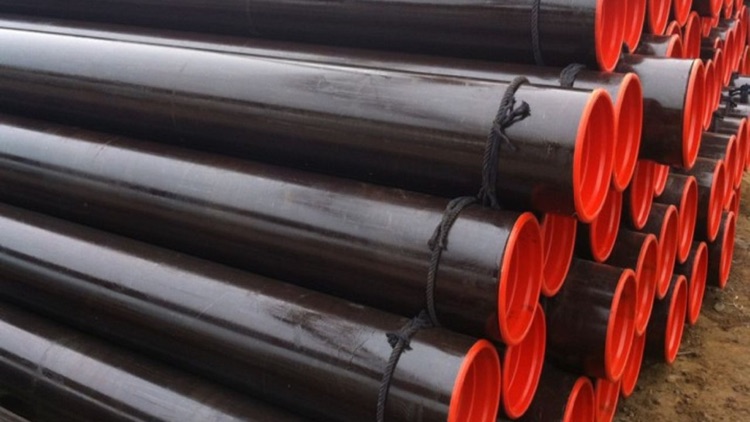
ASTM A252 pipe is specified for steel pipe piles used in foundation and structural support work. Buyers usually see it in bridge, port, building, marine, and infrastructure projects where pipe piles transfer load into soil or rock.
The standard name is only the starting point. A complete order must still define grade, outside diameter, wall thickness, length, end condition, surface protection, inspection, and documents. If those details are missing, suppliers may quote different pipe under the same ASTM A252 label.
For a product-focused reference, review this astm a252 pipe page.
What ASTM A252 Covers
ASTM A252 is associated with welded and seamless steel pipe piles. The pipe is normally used as a piling element, not as ordinary pressure pipe. This matters because the buyer should think in terms of structural load, driving conditions, soil environment, and pile installation method.
The project specification should define whether welded or seamless pipe is acceptable. Many pipe pile projects use welded pipe, but the final requirement depends on the design and owner approval.
Grade Selection
ASTM A252 is commonly discussed by Grade 1, Grade 2, and Grade 3. Grade selection affects mechanical properties and should come from the project design. Buyers should not upgrade or substitute grades without approval, even if a higher grade seems available.
In practice, Grade 3 is commonly requested in many commercial quotations, but that does not make it universal. The correct grade is the one named in the drawing, pile schedule, or purchase specification.
Dimensions and Wall Thickness
Pipe pile orders should state outside diameter and wall thickness clearly. Nominal language can create confusion, especially in international sourcing. If the project gives OD and wall in inches or millimeters, include those values directly.
Wall thickness affects pile weight, driving behavior, capacity, welding, and cost. A supplier quote with a slightly different wall may look attractive but can be unacceptable for the design.
Welded or Seamless Supply
ASTM A252 can be discussed in the context of welded and seamless pipe piles. In many foundation projects, welded pipe piles are common, but the project specification should decide what is acceptable.
Buyers should not leave this open if the design controls it. If welded pipe is acceptable, state any weld inspection or manufacturing requirements. If seamless pipe is required, say so clearly and expect availability, price, and lead time to differ.
Length, Ends, and Splices
Pile length matters because it affects transport, handling, driving, and field splicing. Buyers should state random length, fixed length, or cut length. If splicing is expected, the project should define beveling, backing rings, weld prep, or other connection requirements.
End condition also matters. Open-end piles, closed-end piles, driving shoes, plates, or special tips may be required depending on soil and design. Do not assume these items are included in a base pipe quote.
Coating and Surface Protection
Some pipe piles are supplied bare. Others need coating, primer, galvanizing, or temporary rust protection. Marine or corrosive environments may need special coating systems, but those should be defined by the project rather than added casually after ordering.
Surface requirements affect production, delivery time, inspection, and packing. Include them in the RFQ instead of treating them as a post-order detail.
Documents and Inspection
For project supply, buyers may need mill test certificates, heat traceability, dimensional inspection, weld inspection records, coating records, and third-party inspection. Ask suppliers which documents are included in the quote.
If third-party inspection or special testing is required, state it before production. Some records cannot be recreated after shipment.
Quote Comparison Tips
When comparing offers, line up the technical fields before looking at price. A cheaper quote may use a different grade, wall thickness, length tolerance, surface condition, inspection package, or packing method.
Ask suppliers to separate compliant offers from alternate offers. Alternates can be useful, but they should not be mixed into the main comparison table unless the engineer approves them.
RFQ Checklist
A clear ASTM A252 pipe RFQ should include:
- ASTM A252 grade
- Outside diameter and wall thickness
- Total length, piece length, and quantity
- Welded or seamless requirement, if controlled
- End condition and splice requirements
- Surface protection or coating
- Inspection and testing documents
- Packing, marking, and delivery terms
Final Advice
ASTM A252 pipe is bought for foundation work, so a vague order can create expensive field problems. State the grade, dimensions, length, ends, coating, and documents before asking for price. A clean RFQ lets suppliers quote the same requirement and helps buyers compare offers without hidden technical differences.