How to Select the Right ASTM A53 Grade B Pipe for Your Project
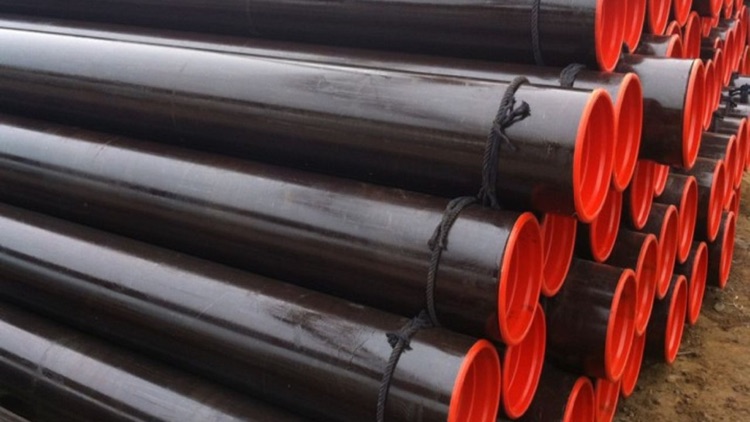
The choice of appropriate ASTM A53 Grade B pipe is significant. It determines the safety, longevity, and performance of any engineering or construction project. This form of carbon steel pipe is found in extensive use in water, structural, oil and gas, and general industry. But the decision of the pipe is not merely a matter of selecting a standard product. It also entails knowing the requirements of the project, the conditions of pressure, and the environmental conditions. This is because careful selection of astm a53 grade b pipe will help in avoiding many issues with the system in the long term.
Understanding Project Requirements First
Before selecting a pipe, clearly define what your system needs.
✔ What is the pipe used for? (Water / Gas / Structural / Industrial flow)
✔ What pressure will it handle?
✔ What is the temperature range?
✔ What material will pass through it?
✔ Will it be underground or above ground?
Example:
Water pipelines don’t need the same strength level as high-pressure gas lines.
Choosing Between Seamless and Welded Pipes
ASTM A53 Grade B pipes are found in both seamless and welded (ERW) types, and the decision between them is based on the conditions of the project. Seamless pipes are superior as it does not have a welding seam and so they can be utilized in high pressure and critical applications. Welded pipes, however, are cheaper and can be used in general-purpose systems where no extreme pressure is necessary. The knowledge of this difference will assist buyers in balancing performance and cost. The choice of the incorrect type can cause safety hazards or unwarranted project costs.
High pressure = Seamless
Normal use = ERW
Selecting the Correct Pipe Size and Thickness
The size of the pipe and the thickness of its walls are key factors of performance and safety. ASTM A53 Grade B pipes come in different diameters and schedules.
Common options:
- Schedule 40 → Standard use
- Schedule 80 → Higher pressure capacity
An increase in schedule numbers implies more solid walls and an increase in the pressure-bearing ability. Selection of the right size is dependent on flow rate, system pressure, and installation space. When the pipe is undersized, it will cause the flow to be limited, whereas a pipe that is oversized will end up costing more than it is necessary. Effective operation and service life can be achieved by proper sizing.
Considering Environmental and Corrosion Conditions
The environment in which the pipe is to be laid also influences the choice. When the pipe is exposed to moisture, chemicals, or exposed to the outside climate, Galvanized ASTM A53 Grade B pipes are used in such situations, as they possess a zinc coating that resists rust. Black steel pipes might be adequate where there are indoor or dry conditions. Disregard of the environmental conditions may result in premature corrosion, leakage, and failure of the system. Thus, the environment should always be factored into the decision-making process.
Ignoring the environment = early corrosion risk
Checking Standards, Certifications, and Quality
The other step of concern in the process of choosing ASTM A53 Grade B pipe is quality assurance. The buyers are advised never to compromise on the quality of pipes they buy, to ensure they are ASTM standards and possess appropriate certifications and test reports.
Never skip documentation checks.
✔ ASTM compliance required
✔ Mill Test Certificate (MTC)
✔ Mechanical & chemical test reports
✔ Pressure testing records
These are documents that indicate that the pipe has undergone mechanical, chemical, and pressure tests. Good suppliers typically give out mill test certificates (MTC) with every batch. Inspecting these details will assist in making sure that the pipe is within the necessary safety and performance standards. In the absence of appropriate certification, the chances of utilizing the substandard or noncompliant materials increase.
Certified pipes = safer and more reliable projects
Evaluating Supplier Reputation and Experience
The selection of the proper supplier is equally as significant as the selection of the pipe.
Good pipe + wrong supplier = project risk
An experienced supplier in the industry will tend to offer consistent quality, specifications, and support in terms of technicalities. Before deciding on a supplier, buyers ought to examine the supplier’s history, customer reviews, and manufacturing capacity. Trustworthy suppliers are also capable of providing superior after-sales support and delivery in a timely manner. The collaboration with an experienced supplier will minimize the possibility of delivering flawed or inappropriate products and also assist in keeping the project schedules on time.
Conclusion
To choose the appropriate ASTM A53 Grade B pipe, the project needs pipe type, size, environment, quality standards, and reliability of the supplier to be taken into consideration. All these factors are important towards ensuring that the pipe works safely and efficiently over its service life. Through a systematic selection procedure, buyers are able to make cost-effective errors and enhance the overall success of the project. An informed choice will not only improve the performance of the system but will also improve the durability of the system in the long run and will help save money.